

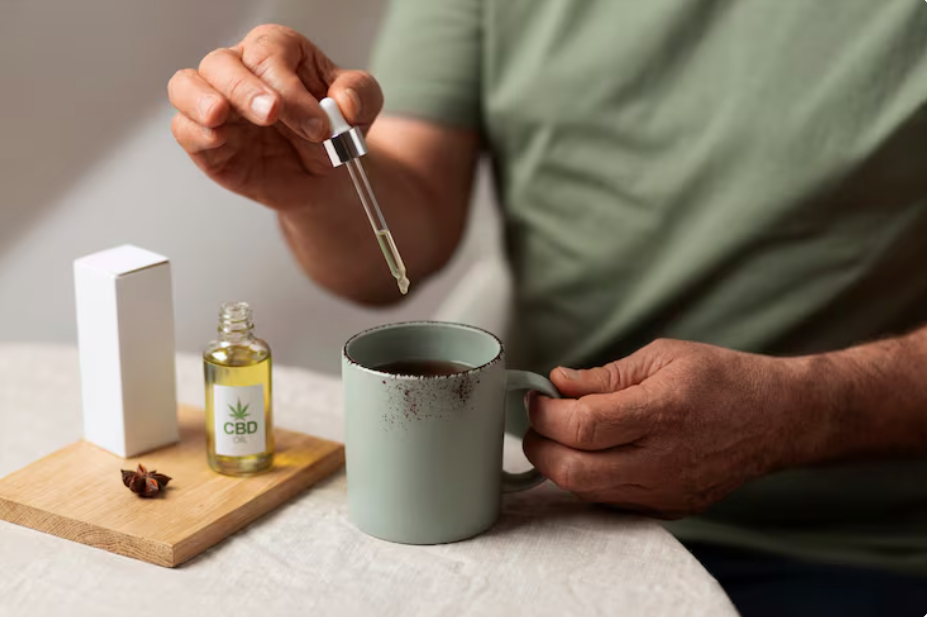
In recent years, CBD oil has become one of the most popular plant-based wellness products on the market. Derived from the hemp plant, CBD (cannabidiol) offers a non-intoxicating alternative for those seeking natural ways to support daily balance, relaxation, and overall well-being. Understanding what CBD oil is, how it works, and how to use it safely is essential for anyone exploring plant-based wellness solutions.
What Is CBD Oil?
CBD oil is created by extracting cannabidiol from the hemp plant and blending it with a carrier oil, such as MCT oil, hemp seed oil, or olive oil. Unlike THC, the psychoactive compound found in cannabis, CBD does not produce a “high,” making it suitable for everyday use.
CBD oil is versatile and available in a variety of forms including tinctures, capsules, gummies, topicals, and even beverages. Each product is designed to integrate seamlessly into daily wellness routines, providing plant-based support for mental clarity, relaxation, and overall health.
How CBD Works in the Body
CBD interacts with the body through the endocannabinoid system (ECS), a network of receptors that helps regulate essential functions such as sleep, mood, appetite, stress response, and immune balance.
Unlike THC, CBD does not directly bind to ECS receptors. Instead, it influences receptor activity, helping the body maintain homeostasis, or internal balance. This indirect interaction is why many people use CBD oil for wellness purposes rather than medical treatment.
Types of CBD Oil
CBD oil comes in different formulations to suit varying preferences and wellness goals:
- Full-Spectrum CBD Oil: Contains CBD Oil Information along with other cannabinoids, terpenes, and trace amounts of THC within legal limits. This combination may provide enhanced benefits through the “entourage effect.”
- Broad-Spectrum CBD Oil: Includes multiple cannabinoids but removes THC entirely, offering non-psychoactive benefits with the presence of other plant compounds.
- CBD Isolate: Pure CBD without any additional cannabinoids or plant compounds, ideal for those seeking a single-ingredient option.
Choosing the right type depends on personal preference, sensitivity to THC, and the desired wellness outcome.
Benefits of CBD Oil
CBD oil is valued for its potential to support holistic wellness, including:
- Relaxation and Stress Support: Many people use CBD oil to help promote calmness and reduce feelings of tension or stress throughout the day.
- Daily Balance: Regular CBD use may help maintain emotional equilibrium and enhance overall well-being.
- Recovery and Comfort: Topical CBD oils and balms can soothe muscles and support post-activity recovery.
- Mindfulness and Focus: Incorporating CBD into meditation or yoga routines can complement mental clarity and relaxation.
While CBD oil is not a medical treatment, its versatility makes it a convenient addition to a plant-based wellness lifestyle.
Quality and Safety Considerations
With the rapid growth of the CBD industry, product quality can vary widely. To ensure safety and effectiveness, consumers should look for:
- Third-Party Lab Testing: Confirms the cannabinoid content and verifies the absence of contaminants such as heavy metals, pesticides, or solvents.
- Transparent Sourcing: Products made from organically grown hemp are preferred for safety and environmental responsibility.
- Accurate Labeling: Clear dosage instructions, ingredient lists, and cannabinoid concentrations help consumers make informed choices.
It is recommended to start with a low dose, gradually increasing while monitoring the body’s response. Individuals who are taking medications or managing specific health conditions should consult a healthcare professional before incorporating CBD oil into their routine.
Legal Considerations
The legality of CBD oil varies by region. Hemp-derived CBD products containing THC below a legally defined threshold are permitted in many areas. However, laws regarding labeling, marketing, and distribution may differ. Consumers should verify local regulations before purchasing or using CBD oil to ensure compliance and safety.
Integrating CBD Oil Into Your Wellness Routine
CBD oil is versatile and can be incorporated into daily routines in multiple ways. For example, tinctures can be taken sublingually in the morning to support calm focus, while CBD capsules or gummies offer convenience and consistency. Topical CBD products can be applied after exercise for muscle support or as part of a skincare routine.
Pairing CBD oil with other plant-based wellness practices—such as nutrition, meditation, exercise, and mindfulness—can help maximize the benefits of a holistic lifestyle.
The Growing Popularity of CBD Oil
CBD oil’s popularity reflects a broader shift toward natural, plant-based wellness solutions. Consumers are increasingly seeking products that are transparent, sustainably sourced, and compatible with holistic health practices. With innovations in product formats, delivery methods, and formulations, CBD Oil Information is becoming an accessible and convenient addition to modern wellness routines.
Conclusion
CBD oil is a versatile, plant-based wellness product that offers non-psychoactive support for daily balance, relaxation, and recovery. By understanding what CBD oil is, how it interacts with the body, and how to choose high-quality products, consumers can make informed decisions about incorporating it into their wellness routines. Whether used for stress management, post-activity recovery, or mindful self-care, CBD oil provides a natural approach to supporting overall well-being.